


When Plans Fail
April 20 2026
|
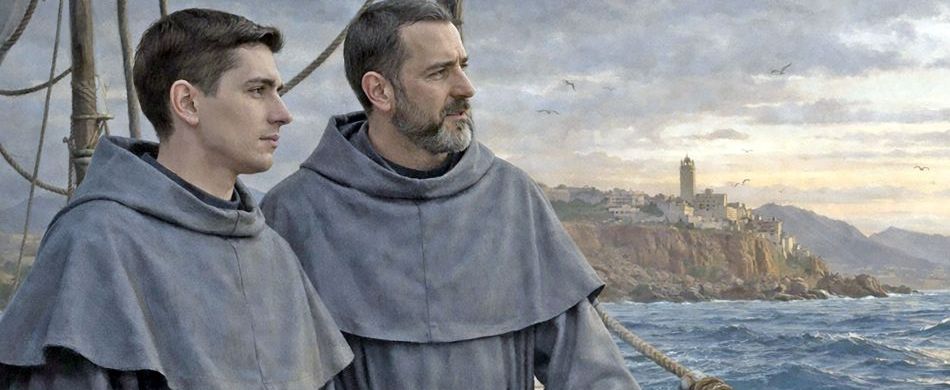
Have you ever anticipated something and then had your plans change? How did you feel? AI Image
AS A CHILD my favorite meal was La Vigilia di Natale, the Italian traditional Christmas Eve dinner of the Seven Fishes. Being less affluent than some families, our family celebrated a shortened version of the meal. Bypassing expensive clams, shrimp, and mussels, my mom created her own menu. First Spaghetti Aglio e Olio (spaghetti with olive oil and garlic), garnished with anchovies, one of the traditional seven fishes. Anchovies also flavored Mom’s Stuffed Vinegar Peppers. She, my sister, and I worked on cleaning squid (calamari) which Mom stuffed and simmered, along with cleaned tentacles, in marinara sauce served over pasta. Grandmom liked baccalà (salted codfish) and eel. Mom substituted breaded, fried smelts.
My most memorable Christmas Eve meal, however, was the one I didn’t eat because of a stomach virus. Mom saved some leftovers, but Christmas had passed when I had them.
Unrealized hopes and fizzled anticipations remind us that “life is more than food and body more than clothing” (Luke 12:23). Our plans bring fleeting happiness. Shouldn’t our focus be on eternal joys? Saint Anthony experienced disappointments. Let’s imagine one of the first.
Sea voyage
As ship captains refused them passage, Brother Leão grew giddier. Why? He hadn’t felt this way since before hunts on his lord’s estate. For days, he and other knights gathered to plan and prepare, excitement mounting as the hunt approached. Leaving at dawn with dogs, coursers, and weapons, the knights returned at dusk with carcasses of duck, pheasant, and deer, food enough for weeks.
Today Leão was hunting for a ship.
“Let’s try that one,” Brother Felipe called out, breaking into a jog. “Maybe they’ll take us.”
Leão and Father António sprinted after him.
“What makes you think so after the first four refused?” Leão shouted.
“Somebody’s going to take us,” Filipe shouted back. “It’s God’s Will, isn’t it?”
I thought so, Leão said to himself.
The brothers slowed to a walk as they approached. “Let’s pray before asking,” suggested António.
Yes, of course. Gathering in a circle, the three followers of Francis bowed their heads. “Let us pray then, dear brothers, to Jesus Christ whose humility overcame the pride of the devil,” António began. “Let us pray that he will grant us to destroy pride and conceit with humility of heart. May our bodies display our humility so that we may be found worthy to attain his glory. May he grant this, who is blessed forever and ever. Amen.”
“Amen,” Leão and Filipe replied.
Near a ship’s gangway lolled a heavily bearded sailor in a russet knee-length tunic. “Excuse me, sir,” Leão smiled. “Is this vessel going to Morocco?”
“It is. Bound for Ceuta.”
“Ceuta,” Leão grinned. “We offer to work for our passage.”
“You sail often?”
“No.”
“So, what can you do for passage?”
The friars looked at each other. “Whatever you want,” António offered.
“Yes. Whatever you want,” Leão and Filipe agreed.
“Cleaning the deck. Emptying privies. Gutting fish. Shucking oysters. Washing pots. Manning rigging.”
Getting ready
When they reached Ceuta in northern Africa four days later, Leão had swabbed the deck, cleaned latrines, gutted fish, and shucked oysters. António and Filipe spent more time manning the rigging, although at times they helped Leão.
As soon as they docked, the brothers hurried to the marketplace to listen, to exchange work for food, and to learn the language. Weeks passed. António, who was learning quickly, instructed Filipe and Leão at dusk when they had settled down near a wall or a well to sleep. Methodically they practiced their brief sermon. “We are all sinners. Only goodness can enter God’s presence. God came to earth as a man named Jesus to tell us this. Jesus was perfectly good, yet he took our punishment. He died instead of us so that we could live forever with God. Believe in Jesus and live eternally in God’s love.”
After four weeks, Leão felt that the time had come. “We are ready,” he announced. “How about Friday of the Lord’s Passion?” Five days hence. The perfect day.
On Wednesday of the year’s holiest week, while the brothers were hauling a vendor’s leeks, António, clutching an armful of leeks to his chest, suddenly doubled over. When the brothers ran to him, he shook his head, his eyes wide. Leão took the leeks from his arms. He and Filipe were helping him sit on a barrel when he vomited. “I’m sorry.” António heaved again.
The tanned leek vendor came running. “Where do you stay? My donkey can carry him.”
“Outdoors,” Leão said.
“Tonight, my house,” the vendor said.
The stocky vendor had no ears for António’s protests. In seconds, António was on a donkey, the brothers helping him balance. The vendor led them to a modest, nearby house. The men helped António inside, made him lie on cushions on the floor, and covered him with a colorfully patterned tapestry. He was shaking.
“Quick!” the vendor called to a servant. “Cool water and clean cloths.”
The vendor, Filipe, and Leão bathed António’s face, neck, arms, legs. Every so often, he heaved into a bowl. Soon nothing was coming up. Eventually he drifted asleep.
The vendor tucked the tapestry around António. “Where are you from?”
“Lisbon.” Leão’s heart was pounding. He had never seen anyone this sick.
The vendor nodded. “You came by ship. You ate what sailors eat. Raw fish. Shellfish.”
“Oysters,” Filipe nodded.
“This sickness sometimes happens to ship passengers. He will be very sick. But he should be much better in two weeks.”
Two weeks? They were going to preach in two days. As if he could read Leão’s thoughts, Filipe said, “You can preach, brother. I can stay with him.”
Leão felt torn. Should he stay with his brothers? Should he preach? Was he ready? God, help me! His prayers were fervent, continuous.
On Friday, António was lying as if dead, his skin yellowed, his flesh dry. Through sunken eyes, he gazed at Leão. “What is God telling you to do, brother?”
“To preach.”
“Then why worry about me? ‘Do whatever he tells you.’” António smiled weakly. “Our Lady’s…”
“…words to the servants,” Filipe and Leão said together, “at the wedding feast of Cana.”
“You remember my story.”
Your stories, Leão thought, are difficult to forget.
“Farewell, brother. I offer this illness for you.”
Filipe nodded. “I wish I were going with you, brother. But my place is here. When António recovers, we will join you.”
Leão grasped both their hands, one firm, one hot and trembling, and left.
Meditation on failure
In early 1221, Anthony and two other brothers left Coimbra for Morocco. Likely they walked to Lisbon, then begged passage on a ship. They would have worked to pay their way. No one knows what caused Anthony’s severe illness. Its symptoms were typical of victims of Hepatitis A, contracted from eating raw fish or oysters infected with the virus. António’s prayer is one he wrote in his Sermon Notes.
Have you ever anticipated something and then had your plans change? How did you feel? Might you be able to see why God permitted this disappointment? Are you planning anything at the moment? How will you respond if God thwarts your plans? Can you ask Him to help you accept what you cannot change?
Updated on April 20 2026