


Unshared Weight
May 18 2026
|
Why am I the only one doing this?
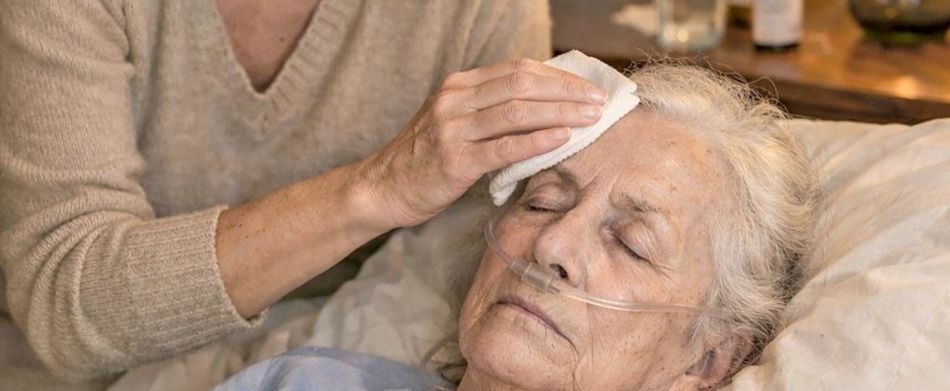
DEAR Mr. Pfister, I’m one of several siblings, yet I often feel like an only child in caring for our parents. I’m the one who checks in, handles appointments, and carries the emotional weight of their aging. My siblings insist they “care,” but that rarely translates into action. What hurts most isn’t just exhaustion – it’s the quiet resentment and disappointment. I feel guilty for being angry, ashamed for keeping score, and isolated for wanting acknowledgment of the imbalance. I don’t want praise, but I do want fairness, or at least honesty. How do I make peace with doing more without becoming bitter? Is it possible to accept that some siblings won’t carry their share without letting it damage what little relationship remains?
What you’re describing makes a great deal of sense in our human experience. When a responsibility that should be shared rests primarily on one person, our natural sense of justice is unsettled. That reaction is not necessarily a moral failure; it is a recognition that something is not right. Wanting fairness in a situation like this is understandable. It is a natural response to seeing an obligation carried unevenly, especially when that imbalance goes unacknowledged.
There is a particular kind of pain that comes from showing up again and again while others remain absent. Over time, that pain can give way to resentment – not necessarily because you are seeking praise or recognition, but because a quiet question keeps returning: Why am I the only one doing this? That question arises because you are human and because you see clearly that the weight is not being shared.
What keeps this question from hardening into resentment is both an intentional choice and charity. While your siblings’ actions – or lack of action – are visible, their interior reasons are not. You can see what they fail to do, but you cannot see their fears, limitations, avoidance, or confusion. Assuming the good of another does not mean denying reality or pretending the imbalance does not matter. It means refusing to judge intentions that you cannot truly know. This deliberate act of charity protects your own heart from becoming resentful.
Love, in its deepest sense, is not merely a feeling, but a choice of the will – to seek and to will the good of another. Willing the good of your siblings may include praying that they come to see the truth of the situation and freely choose to respond differently. It may also mean offering the frustration, sadness, and loneliness you carry back to God, trusting that your suffering is not without meaning or purpose to Him. When suffering is offered to God in sacrifice, it becomes something capable of bearing fruit rather than something that quietly poisons the soul through anger or bitterness.
Maintaining peace in the face of this injustice does not require pretending that things are fair or resigning yourself to silence. It means loosening the grip of comparison and choosing to act from charity rather than resentment. By assuming the good, offering what hurts, and grounding your loving care for your parents in charity, you can continue to give without losing your peace, the merit of your good works, or your capacity to love. In the end, these very choices may also be what helps open your siblings’ hearts to God’s call to something higher.
Updated on May 18 2026