


Care on Wheels
May 25 2026
|
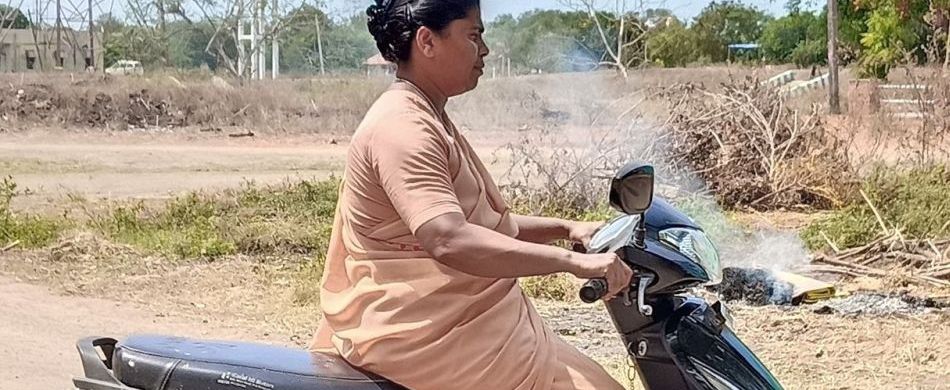
By bringing care to villages, the programme has reduced the need for dangerous travel to distant hospitals
IN R.S. MANGALAM Taluk in Tamil Nadu’s Ramanathapuram district, India, the landscape is harsh and unforgiving. The region sits between two major towns – 35 kilometers from Ramnathapuram (a one-hour journey) and 68 kilometers from Sivagangai (one hour and forty-five minutes). Poor road connectivity makes travel difficult except during the best months, October through January. The nearest primary health center is at the Taluk headquarters, yet only 15 percent of the 35 villages in the area can actually access it.
The people here depend on agriculture for their livelihoods – mainly rice and chilli – but irrigation relies almost entirely on rainfall. Families can cultivate their fields for only five or six months each year. Recent years of severe drought have made even these limited possibilities harder. During the remaining months, families migrate to nearby cities seeking work, becoming what development workers now recognize as “climate migrants.” This seasonal exodus leaves behind a particularly vulnerable population: elderly people without family support, women abandoned by relatives who have moved away for employment, and young widows with no means of support.
A dispensary
The Congregation of the Sisters of St. John the Baptist, founded in 1878 by Blessed Alfonso Maria Fusco, operates across six Indian states – four in the south and two in central India. The congregation provides health care, education, and social services to poor rural communities, with particular emphasis on women’s empowerment, legal literacy for Dalit and tribal communities, and child protection.
The Sisters arrived in this region in 1999. Local people made a simple request: they needed a clinic. The Sisters responded, and in 2001 they opened St. Alphonsus Dispensary in Saveriyarpattanam. For the past 23 years, the Sisters have served the sick with minimal facilities. Three times weekly, nurses travel by bicycle or scooter – the only means of reaching very isolated communities – to visit patients in their villages. The dispensary itself receives 20 to 35 patients daily. Thirty percent of patients are treated at minimal fees; many receive free care.
The dispensary has evolved over the years with laboratory facilities, EKG equipment, and a telemedicine arrangement for remote specialist consultations. Weekly visits from specialized doctors strengthen capacity. Beyond clinical care, the Sisters organize free eye camps for elderly and diabetic patients, blood donation campaigns, and annual medical screening.
Yet a significant gap remained. “Access to quality health care remains a challenge for elderly people living in remote rural areas,” explains Sr. Jancy. “Currently our districts are facing the problem of diabetes, diabetic ulcers, kidney failure and heart diseases – including heart attacks, asthmatic conditions and malnutrition at many levels.” Even more troubling, “the elderly are mostly left alone in homes where they are abandoned with no one to take care of them or take them to hospital when they are sick.”
A mobile clinic
The Sisters launched their Mobile Clinic Programme in 2025, with a specific focus on geriatric care. The three-year programme, scheduled to run from July 1, 2025 through June 30, 2028, aims to provide basic and preventive health care to elderly people in villages, ensure regular access to essential medicines for chronic illnesses, reduce the burden of hospital visits, and promote health awareness. The total project cost was €16,500 – €10,800 for life-saving emergency medicines, to be supplied throughout the programme’s three-year duration, and €5,700 to support the salaries of two community nurses. St. Anthony’s Charities approved €10,800 for the medicines, with other benefactors providing the remainder.
Implementation began on July 1, 2025. The mobile dispensary started visits to villages, providing free medical consultations, medicines, and health check-ups. The team conducted awareness sessions on hygiene, nutrition, and preventive care, with special attention to elderly patients, pregnant women, and children. The nurses visited Karkathakudi elderly care home twice monthly, and also served Nirmal Special School, a facility for children with mental disabilities.
By October 2025, after three months, the mobile clinic had visited 21 villages and treated 764 patients. By January 2026, the clinic was visiting 26 villages across R.S. Mangalam region and Devakottai region, and had treated 1,769 patients in total. The team documented 213 cases of diabetes and hypertension, 62 cases of fever, 45 cases of anemia, 45 cases of fungal infection or skin allergy, and 25 cases of asthma or COPD, among other conditions.
Heartfelt gratitude
The impact has extended beyond statistics. “The programme has yielded significant positive outcomes,” Sr. Jancy reports. “Many elderly beneficiaries expressed deep relief and gratitude, as the programme restored a sense of care, dignity, and belonging in their lives.” The mobile clinic has achieved improved medication adherence among chronic patients and early detection and management of illnesses. By bringing care to villages, it has reduced the need for dangerous travel to distant hospitals.
The programme has also created broader benefits. It has enhanced health awareness in communities and improved preventive care practices through regular consultations and outreach activities. The effort has strengthened community participation and cooperation as villages engage with the health services. The clean, safe, well-organized health-care space that the Sisters maintain has enhanced hygiene and sanitation standards, promoting a healthier environment beyond clinical care alone.
The Sisters are realistic about the future. “We are aware that this project cannot sustain itself,” Sr. Jancy acknowledges. “The only way would be to ask the people we assist to pay for the drugs and medications; all this is not possible if we consider that the very people we assist are so poor that they cannot afford anything other than asking us for help.” Yet this reality does not deter them. “The congregation is permanently present here,” Sr. Jancy continues. “We will continue this work of closeness to those most in need.”
Sr. Jancy and the Sisters of St. John the Baptist express their heartfelt gratitude to St. Anthony’s Charities and to the readers of the Messenger of Saint Anthony. “Your generous support has directly contributed to improving the health and quality of life of numerous elderly people in rural communities,” concludes Sr. Jancy. “Your valuable support has brought relief, dignity, and hope to many senior citizens who otherwise would have been neglected.”
In villages where drought has stolen livelihoods and distance has long been an obstacle to care, the Sisters of St. John the Baptist continue their work. One bicycle, one scooter, one village at a time.
Updated on May 26 2026